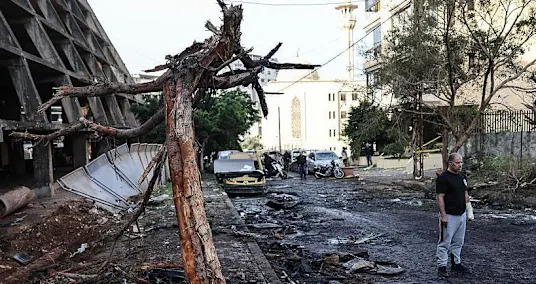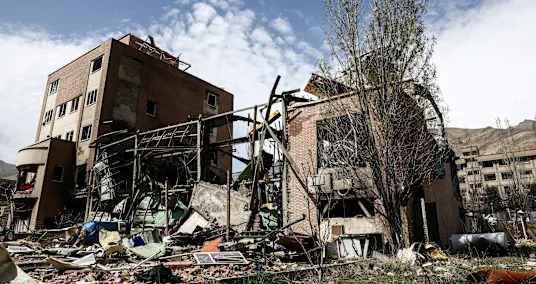
In Tehran, a city of nine million people, schools are closed, businesses are shuttered or struggling, and locals are living without a functioning air-raid warning system or public shelters. In many areas, the first sign of an incoming strike is the explosion itself.
There have been twice as many US and Israeli attacks on Iran compared to the number of Iranian retaliatory strikes since the war began — and the numbers killed in Iran have been orders of magnitude greater than in the neighboring Gulf states. A nationwide internet blackout, now entering its second month, has left civilians unable to access information about safety, shelter, and food and has meant some are unable to work. But while millions have fled Iran’s cities, many more are staying where they are. Some residents are hoping the US and Israeli bombs will cause the regime to collapse; others are left wondering if they are at risk if their neighbors are targeted.
For the many Iranians with ties to Dubai, there are other pressures, with Iranian nationals now barred from entering or transiting through the UAE. Residency permits, even for those with long-term Golden Visas, are reportedly being revoked without notice.



 Vote In favor of Your Favored Web based Dating Application
- Top 15 Web-based Entertainment Stages for Individual Marking
- Manual for Tracking down One of a kind Store Inns
- How Mars 'punches above its weight' to influence Earth's climate
- Israel intensifies Lebanon attacks and hits areas not in Hezbollah's control
- This Overlooked Predator Is Running Out of Time—Why Conservationists Are Racing to Save the Striped Hyena
- What is colostrum? And should you be taking it?
- 2024's Hot Games: Must-Play Titles of the Year
- Mechanical Sidekick d: A Survey of \Elements and Execution d\ Cell phone