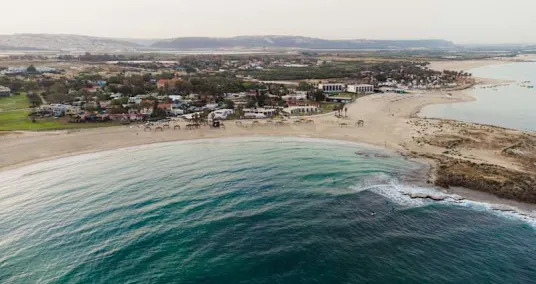
The discovery was made in an ancient shipwreck in the Dor Lagoon near the Carmel Coast, where archaeologists recovered nine pieces of unprocessed iron known as “blooms.”
Researchers from the University of Haifa said Wednesday that an underwater excavation off Israel’s northern Mediterranean coast uncovered what they described as the earliest known cargo of raw iron transported by ship, dating back around 2,600 years, Xinhua reported.
The discovery was made in an ancient shipwreck in the Dor Lagoon near the Carmel Coast, where archaeologists recovered nine pieces of unprocessed iron known as “blooms.” According to the university, the find provides direct evidence of how iron was transported in its earliest commercial stages.
The material was preserved in its original form, having solidified directly in a smelting furnace without undergoing forging or further refinement. Researchers said this distinguishes the cargo from later iron artifacts that typically show signs of shaping or tool-making.
Unlike copper and bronze, which could be melted into liquid form in ancient production processes, iron was heated with charcoal to produce a solid, porous mass. That mass was generally hammered to remove impurities and create denser material suitable for tools and implements.
The recovered blooms showed no indication of that secondary processing stage, suggesting they were transported immediately after production.

Earliest iron shipment discovered in ancient Mediterranean wreck
To determine the age and condition of the cargo, researchers conducted microscopic and chemical analyses.
Radiocarbon dating was also carried out on charred wood embedded in one of the pieces, helping confirm the timeline of the shipment. The findings were published in the journal Heritage Science.
Researchers said the cargo indicates that iron was being moved in raw form from production sites to other locations for further processing, pointing to a level of specialization in ancient manufacturing and trade networks in the Mediterranean.
The University of Haifa said the discovery provides new insight into early iron production and distribution practices in the region.
LATEST POSTS
- 1
 ‘Grit’ and relentless perseverance can take a toll on brain health − particularly for people facing social stresses like racism
 - 2Police break up illegal chicken slaughter in Germany
- 3Bahrain cracks down on dissent as war grinds on
- 45 Worldwide Road Food varieties You Should Attempt
- 5There was a bit of toilet trouble on NASA's Artemis 2 mission to the moon




- The Most Famous Virtual Entertainment Powerhouses of the Year
- The 15 Most Powerful Forerunners in Business
- Germany records first wolf bite on human since repopulation
- What to know about King Charles III's cancer treatment and his message to the public
- Eco-Accommodating Kitchen Machines: 4 Picks for a Manageable Home
- Google's proposed data center in orbit will face issues with space debris in an already crowded orbit
- This cafe takes orders in sign language. It's cherished by the Deaf community
- India’s delayed climate plan sets modest emission target
- 'All Her Fault' ending explained: The shocking conclusion to the psychological thriller inspired by true events